For information
+91-9873-503-555

Please wait..
Please wait..

For information
+91-9873-503-555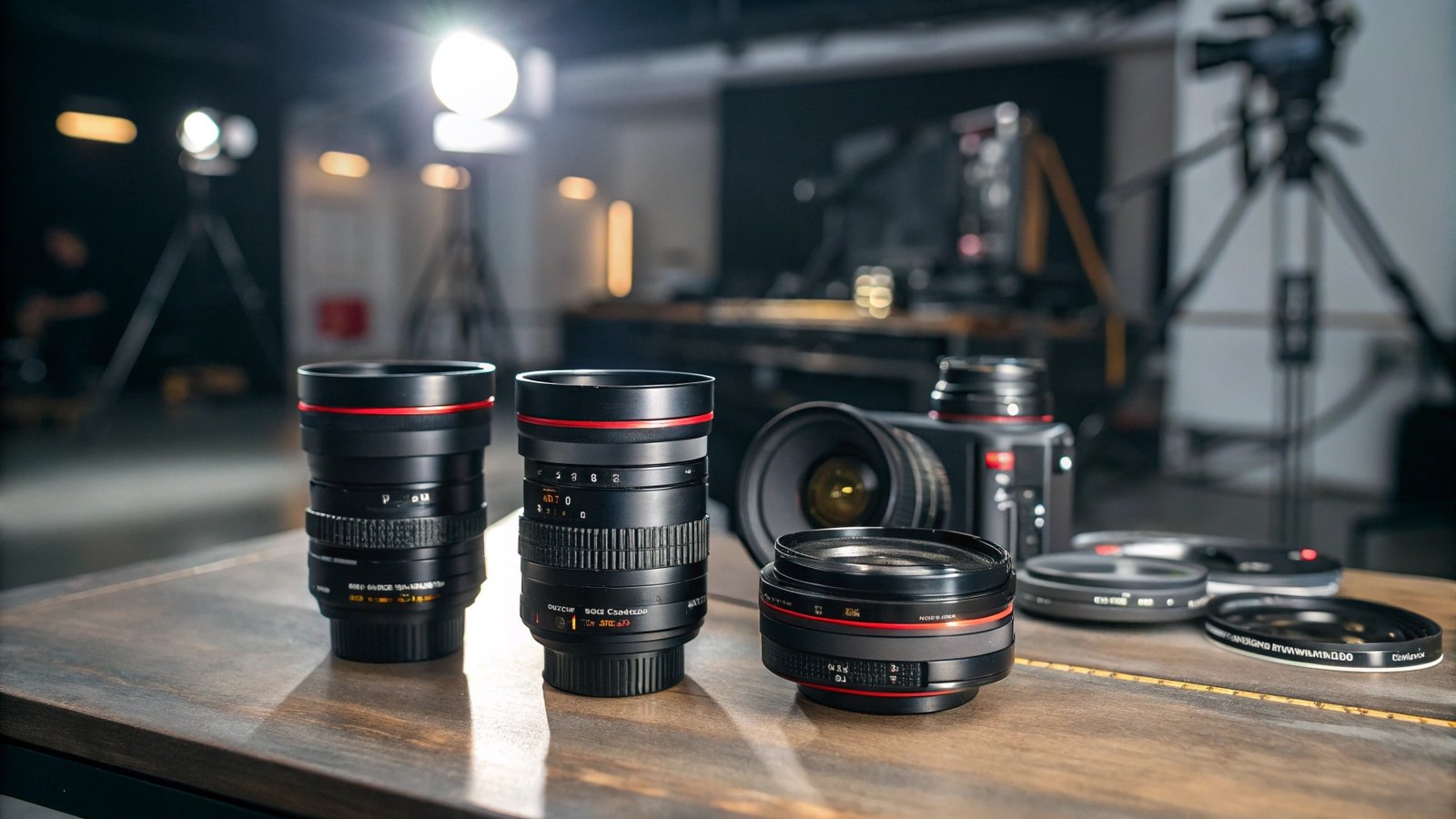
31 Dec 2025 Blog
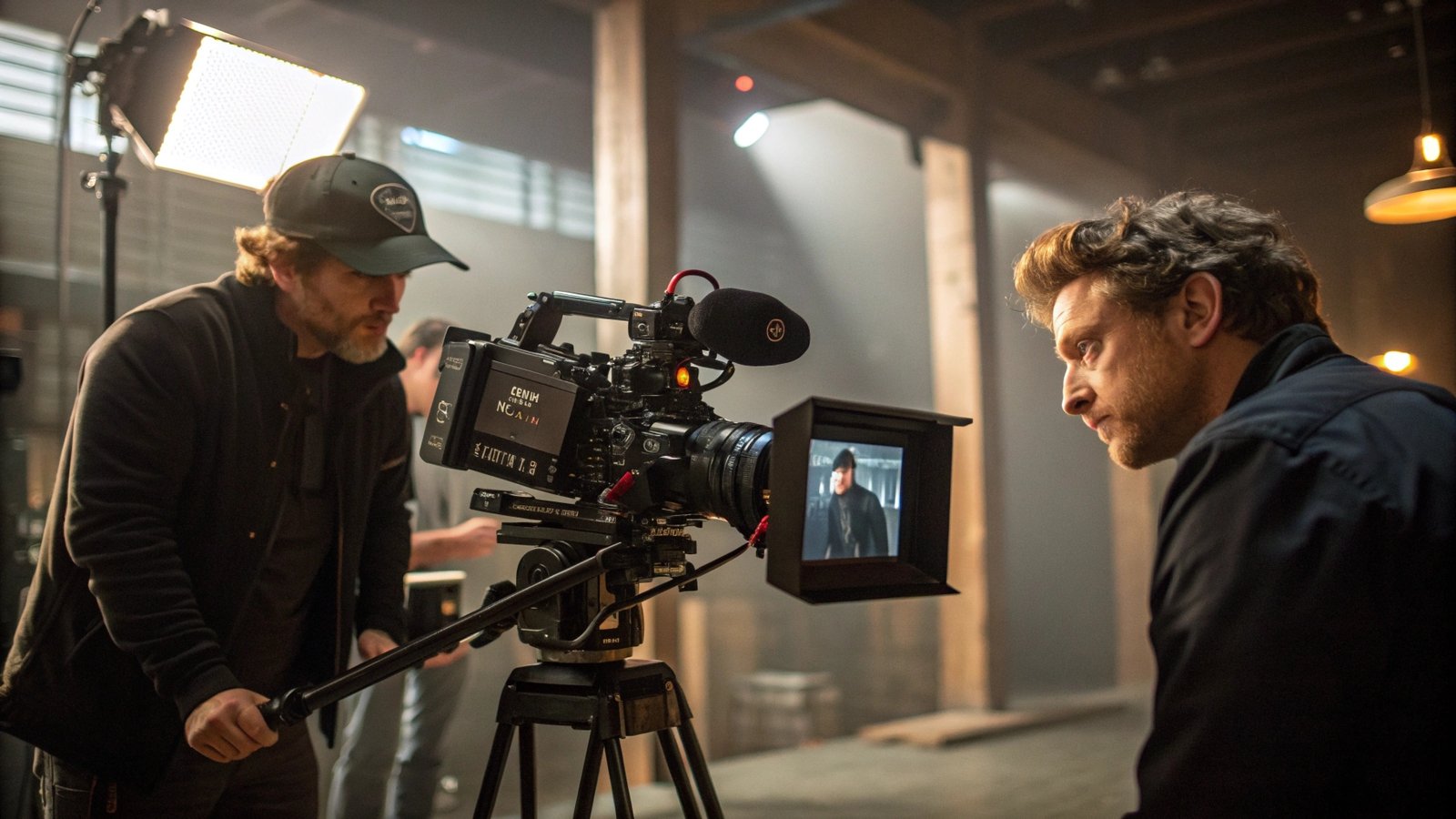
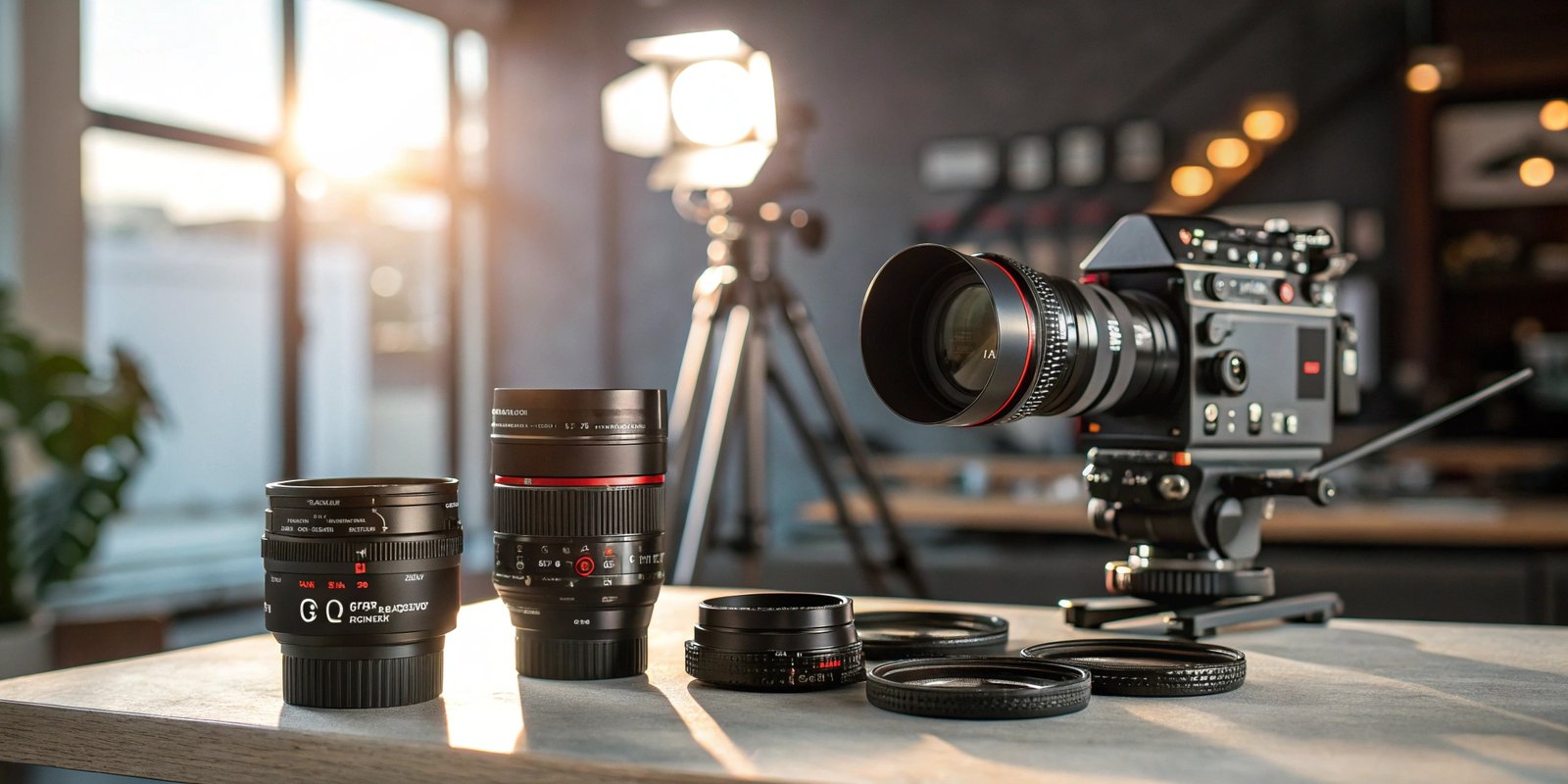
In the production of movies and advertisements, it is the lens of the camera and not the camera itself that produces cinematic images. The role of lenses in determining the look and feel of a movie or an advertisement cannot be overemphasized.
Through this blog, we will discuss the various types of lenses utilized in film and advertisement shoots, their use in cinematography, and ultimately how professional production houses such as Lafiilmz decide which lenses to use.
Lenses control:
Field of view
Depth of field
Image compression
Perspective
Visual storytelling
In ad films, every frame must look intentional and premium. That’s why professional productions rely on specialized lenses rather than basic kit lenses.
Prime lenses have a fixed focal length (e.g., 35mm, 50mm, 85mm).
Extremely sharp image quality
Wider aperture (f/1.4, f/1.8)
Beautiful background blur (bokeh)
Excellent low-light performance
Emotional close-ups
Dialogue scenes
Fashion and beauty advertisements
Cinematic storytelling
35mm – Natural cinematic look
50mm – Human eye perspective
85mm – Portraits and product ads
👉 Prime lenses are widely used in commercials and brand films where visual quality is a priority.
Zoom lenses cover multiple focal lengths (e.g., 24–70mm, 70–200mm).
Flexible framing without changing lenses
Faster shooting on set
Ideal for dynamic scenes
Corporate films
Event coverage
Documentary-style ad films
Outdoor shoots
24–70mm – All-rounder lens
70–200mm – Long-range cinematic compression
👉 Zoom lenses save time and are perfect for fast-paced productions.
Wide-angle lenses usually range from 14mm to 35mm.
Capture more of the environment
Create depth and scale
Enhance motion and energy
Establishing shots
Location-based ads
Architecture and real estate films
Car and travel commercials
👉 Wide lenses help brands show space, scale, and environment effectively.
Telephoto lenses typically range from 85mm to 300mm.
Background compression
Isolating subjects
Shooting from a distance
Product commercials
Fashion films
Outdoor ad shoots
Sports and action shots
👉 Telephoto lenses create a premium, cinematic feel with smooth backgrounds.
Anamorphic lenses capture a wider cinematic frame and create unique visual characteristics.
Cinematic widescreen aspect ratio
Oval bokeh
Horizontal lens flares
Film-like visuals
High-end ad films
Brand commercials
Music videos
Feature films
👉 Anamorphic lenses are often used when brands want a luxury, theatrical look.
Macro lenses allow extreme close-up shots with sharp detail.
Highlight product textures
Capture fine details
Jewelry ads
Cosmetic and beauty ads
Food commercials
Product demonstrations
👉 Macro lenses are essential for product-focused advertisements.
Tilt-shift lenses
Probe lenses
Fisheye lenses
Creative distortion
Unique perspectives
Experimental storytelling
Concept ads
Creative brand campaigns
Experimental visuals
👉 These lenses help brands stand out visually.
Professional production houses do not randomly select lenses. The choice depends on:
Script and storyboard
Brand identity
Platform (TV, digital, social)
Lighting conditions
Budget and production scale
At Lafiilmz, lenses are selected carefully to match the creative vision and marketing objective of each project.
Lenses are more than a technical tool – they are a tool for story-telling. Whether through a cinematic close-up or a wide angle, each lens brings its own element of narrative to filmmaking and advertisement.
Knowing the various types of lenses that are involved in filming and advertisement shoots will help the brand understand the work that goes into professional video production. As a brand that partners with a professional production company such as Lafiilmz, your production will get the proper equipment and expertise to bring your brand story to life.