For information
+91-9873-503-555

Please wait..
Please wait..

For information
+91-9873-503-555
23 Dec 2025 Blog
In the world of movie-making, what you see and experience matters the most. It may range from the expression that the actor’s eyes convey, the texture that the landscape holds, or the lighting effects that the movie justifies – all these are made possible by one single device: the cinema camera. At LAFiilmz, we know that when selecting the best cinema camera, one does not just focus on the equipment, which tells a story and the images that the story holds.
What Is a Cinema Camera?
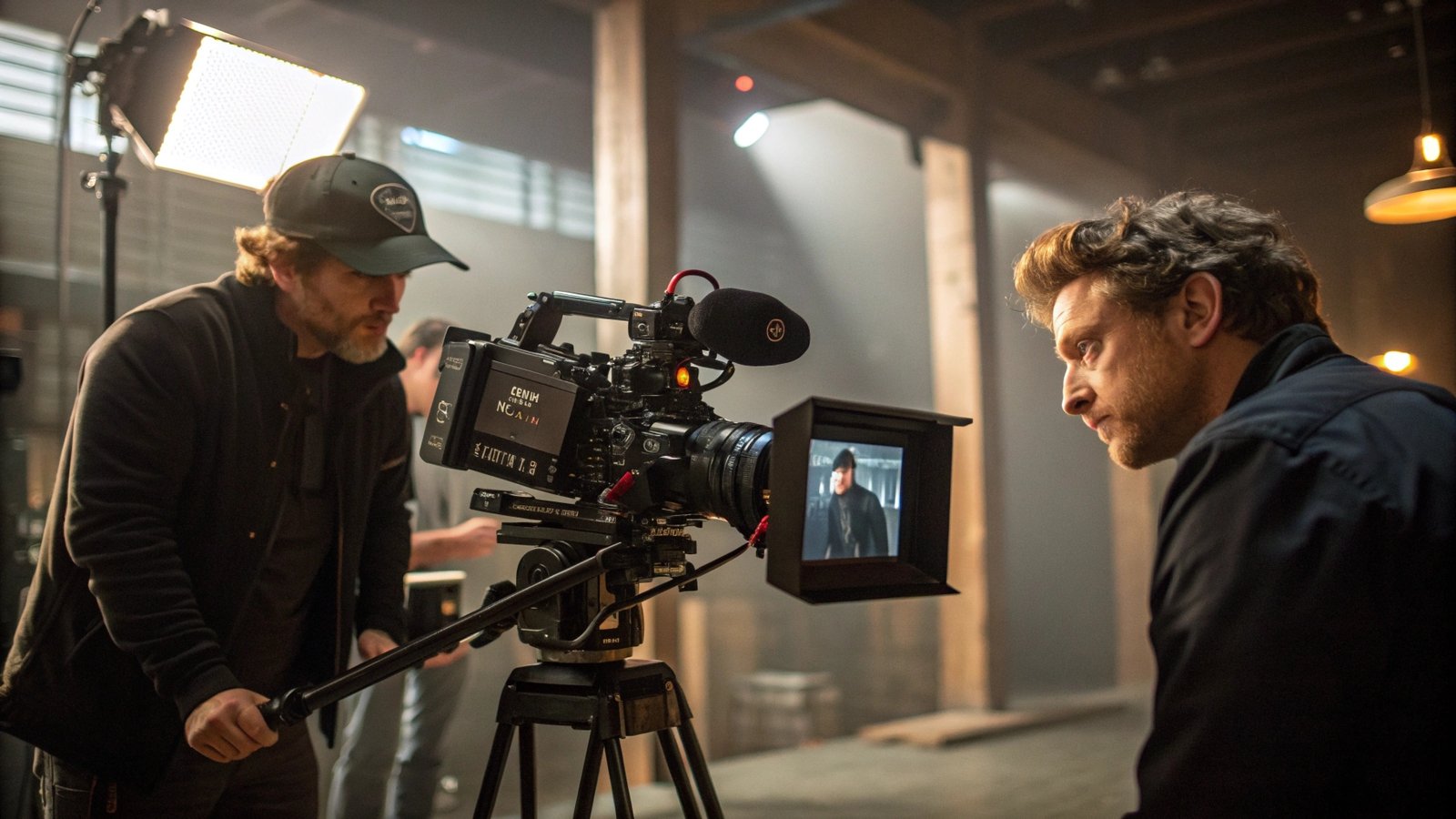
A cinema camera is a professional digital motion picture camera. Unlike consumer cameras, professional cinema cameras are built entirely for filmmaking purposes. They provide unparalleled control for exposure, color, focus, and motion capture. In fact, cinema cameras are what bring visions to life, including TV commercials, YouTube videos, feature-length films, and documentaries.
Why Cinema Cameras Matter
Although you are able to record video using DSLRs or mirrorless cameras or even smartphones, “cine” cameras take your videos to an entirely different dimension in the sense that they can:
Super-ior Image Quality: Cameras used in cinema shoot a wider range of dynamic detail, so the video has a more realistic look.
Professional Recording Formats: In contrast to standard video recording modes, professional movie cameras allow for high-quality recording codecs and RAW recording formats that capture as much image detail as possible.
Advanced Features: Features like exposure tools, professional audio input (like XLR), time code, and modular accessories ensure the flexibility a filmmaker needs on a real shoot.
Workflow Efficiency: Cinematography cameras are developed to function within a production setting, ensuring that the interfaces, menus, and connectivity primarily function for video.
To sum up, film cameras are not only a measure of resolution and sharpness – they are a measure of creative control too.
Cinema Cameras vs Other Cameras: What is the Difference?
We can analyze the differences between cinema cameras and other popular cameras in the following manner:
| Feature | Cinema Cameras | Mirrorless/DSLR |
|---|---|---|
| Designed for Video | ✅ | ⚠️ Often a hybrid |
| RAW/High-Bit Recording | ✅ | ❌ Limited |
| Professional Audio Inputs | ✅ | ❌ Often requires adapters |
| Modular Build (Accessories) | ✅ | ⚠️ Limited |
| Team Production Friendly | ✅ | ⚠️ Less so |
Both mirrorless cameras and DSLRs are capable of video capture, but where cinema cameras truly shine is in their capacity for customization and streamlined workflow, which holds immense value for film professionals wanting to produce either a narrative or commercial film.
Key Features of Cinema Cameras
These are some of the critical factors which make a cinema camera different:
Large Sensors & High Dynamic Range
Cameras used in the cinematic world tend to make use of larger image sensors, like Super 35 or full-frame sensors, that are capable of capturing more image information, including more light, which contributes to the cinematic look.
Resolution and Frame Rates
Most movie cameras have high resolutions: 4K, 6K, or 8K versions, and they all have multiple frame rates for slow-motion or high-detail video capture. Higher resolutions provide cinematographers with greater freedom to crop and resize their videos during post-production.
Pro‐Grade Recording Formats
The cameras in cinema typically capture footage in RAW or in an advanced codec. This is excellent for color grading and post-production.
Professional Networking
While consumer-grade camera options are lacking in terms of ports suited to professionals, movie camera equipment possesses various ports such as XLR audio, SDI/HDMI, timecode, remote control, and monitoring output.
Popular Cinema Cameras Filmmakers Use Today
Film cameras over the years have preserved numerous creative ideas, from big-budget movies to art-house films. Certain cameras have turned out to be industry workstations due to their unparalleled image resolution:
ARRI Alexa Series: Reigns supreme within Hollywood fiction filming due to its film-grade color science and dynamic range.
RED Cinema Cameras: Famous for their high resolution, ideal for VFX and narrative shots.
Blackmagic Design Cinema Cameras: Very affordable with professional coding and creative control. Great value for indie filmmakers.
Sony Cinema Line Cameras: Offering reliability alongside cutting-edge technology such as high dynamic range and elaborate autofocus systems – very common in corporate and dramatic productions.
These cameras do not only capture images, but they also assist the image creator in discovering the story behind the image and emotionally connecting with the audience.
At LAFiilmz, we don’t just produce films – we provide filmmakers with the tools they need in order to turn their dreams into reality. It is for this reason that we provide top-of-the-line cinema camera rentals in Delhi/NCR so that all filmmakers have access to the most advanced tools at their fingertips. Whether for an advertisement, documentary, event shooting, or production of a short film, we provide filmmakers with what they require for their production.
Final Thoughts:
Raise Your Video Game with the Right Camera Selecting a cinema camera is much more than a technical process – it is a creative one. With the right camera, you can achieve breathtaking visuals, increase your workflow, and complete your story with confidence. You may be entering the professional world of filmmaking for the first time or considering an upgrade, but recognizing the capabilities and importance of cinema cameras is the first move toward making lasting impressions within cinema.
Are you ready to film your next production using professional cinema cameras? Check out our cinematography services offered at LAFiilmz where innovation and technology intersect.